How Base44’s Apps 2.0 film was made in Plnty
Base44 launched Apps 2.0 with a film of people building apps with their own name on them.
Shimi Cohen’s studio worked it out in Plnty, on seven shared boards, before the final shots were made.
01 / Base44
A launch film about builders
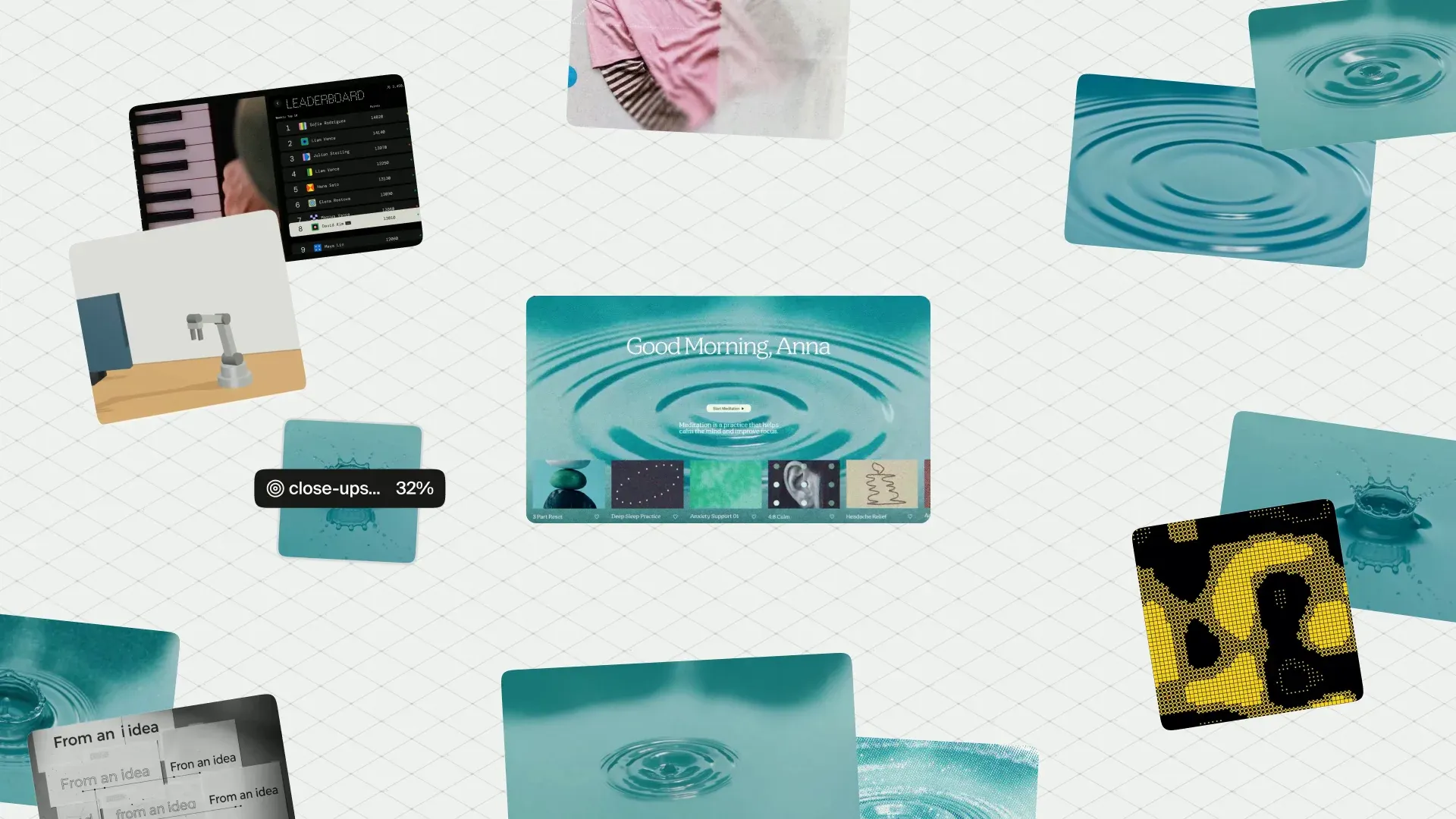
Base44 turns a few words into a working app. For the launch of Apps 2.0 it released a film about the people who build with it, made by Shimi Cohen’s studio. The film moves between their worlds through water, a run of objects that becomes a typing cursor, and clothes that walk off a phone screen.
Transcript
Narrator. From an idea to something real with your name on it. Base44. Big changes start small. A few words even will get you a fully working app. From a tool only you will use to a platform millions might. From passion projects to enterprise-level systems. Same starting point, no ceiling. Shape it, push it, build on it. Your back end is covered, secure, and ready to launch. What if you can build it today? Base44.
The project at a glance
- Client
- Base44
- Film
- Apps 2.0, the launch film
- Team
- Shimi Cohen’s studio of designers, animators and AI generalists
- Boards
- 7 shared boards
- Results
- 1,321 finished results
- Main tools
- edit-images, Seedance, change-angle, first-last-frame, Gemini Omni, Video
A world for every builder
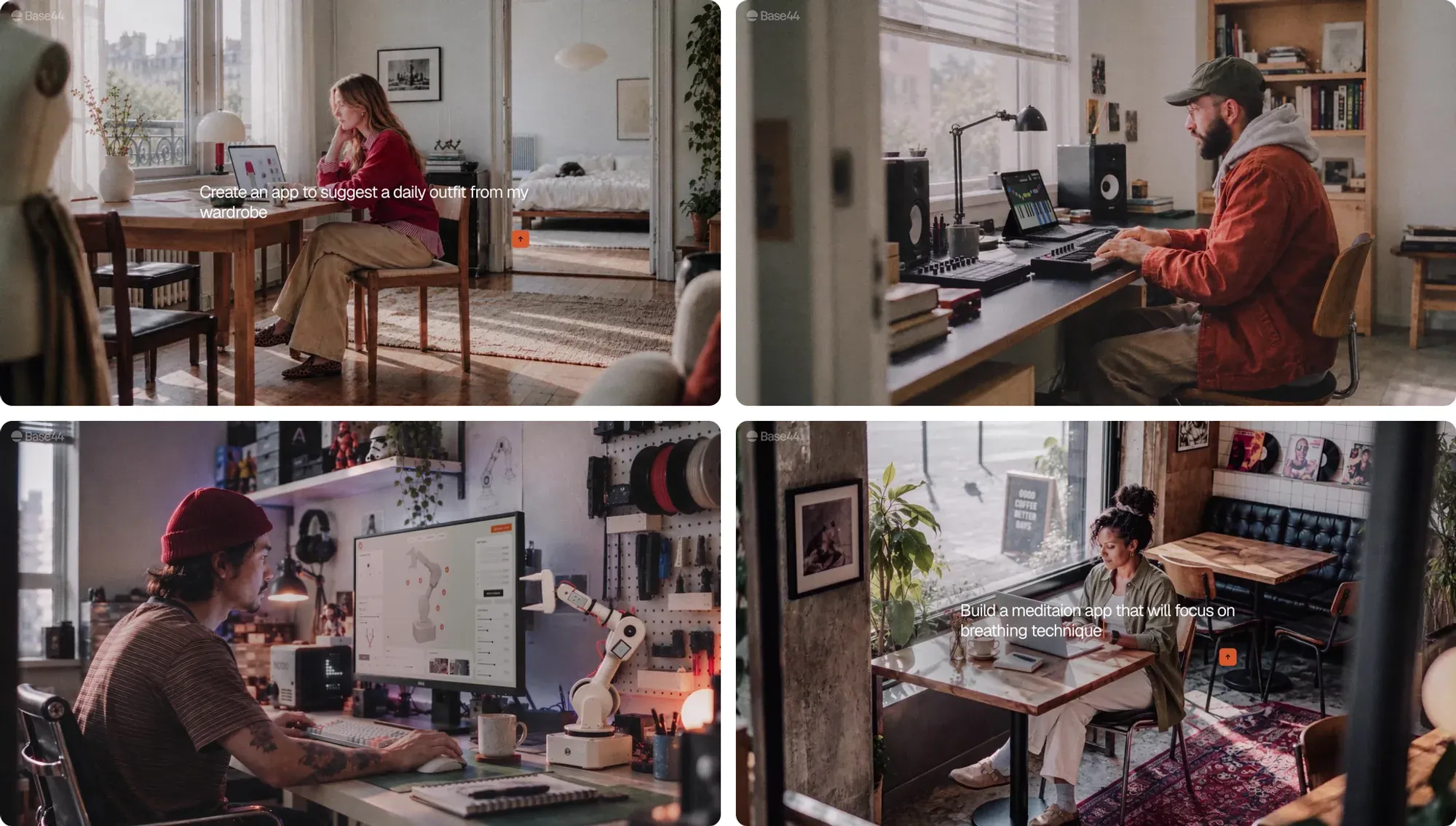
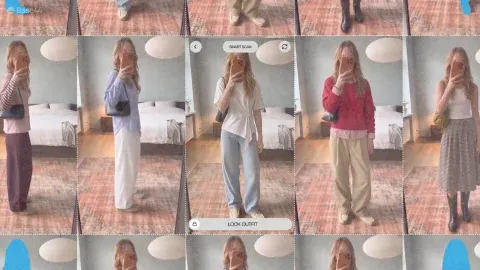
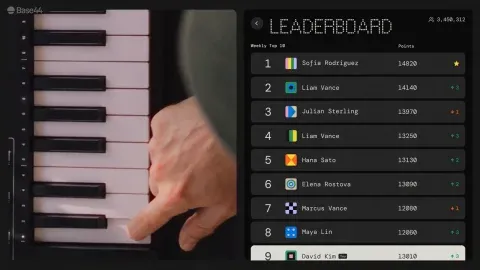
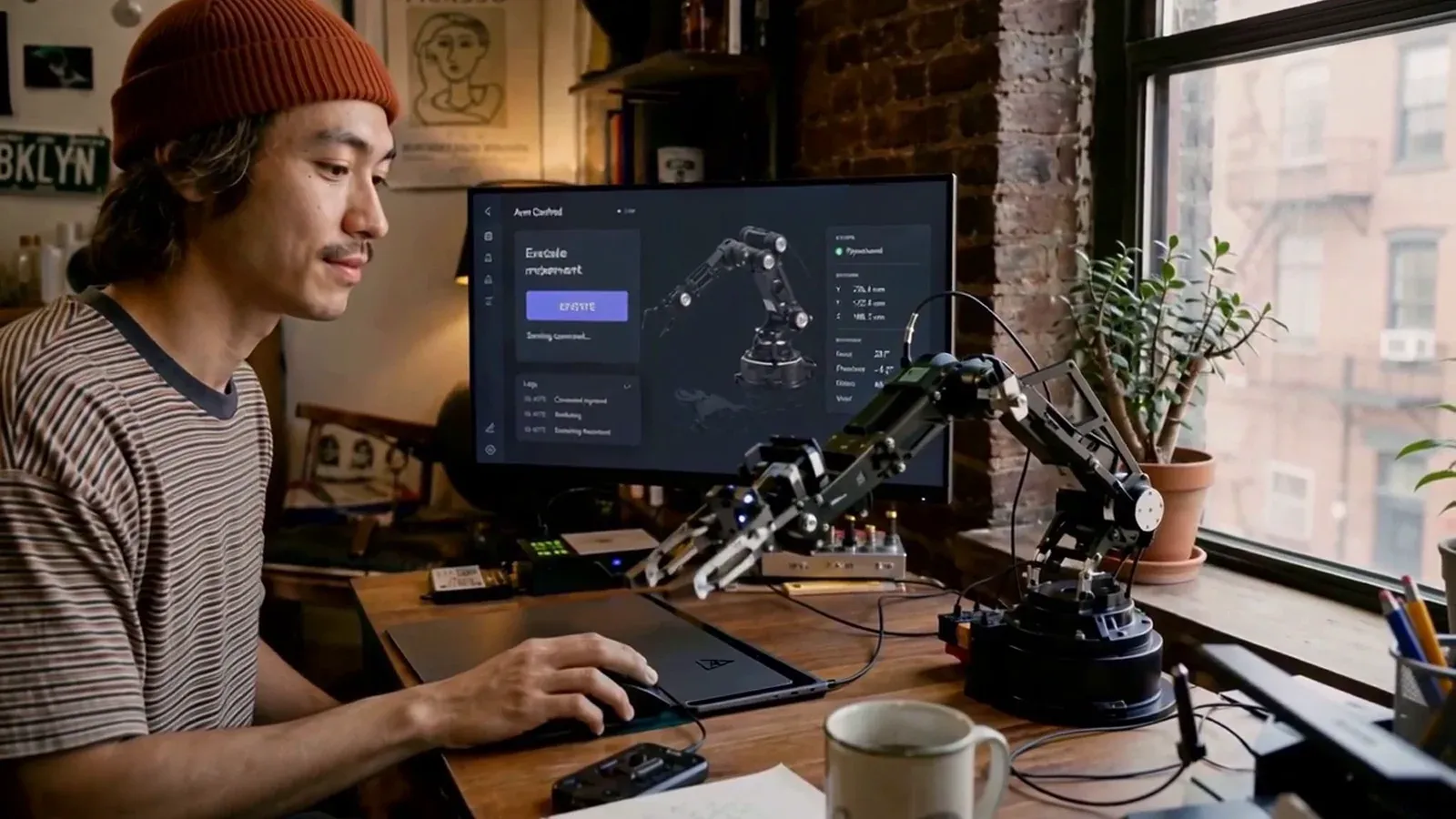
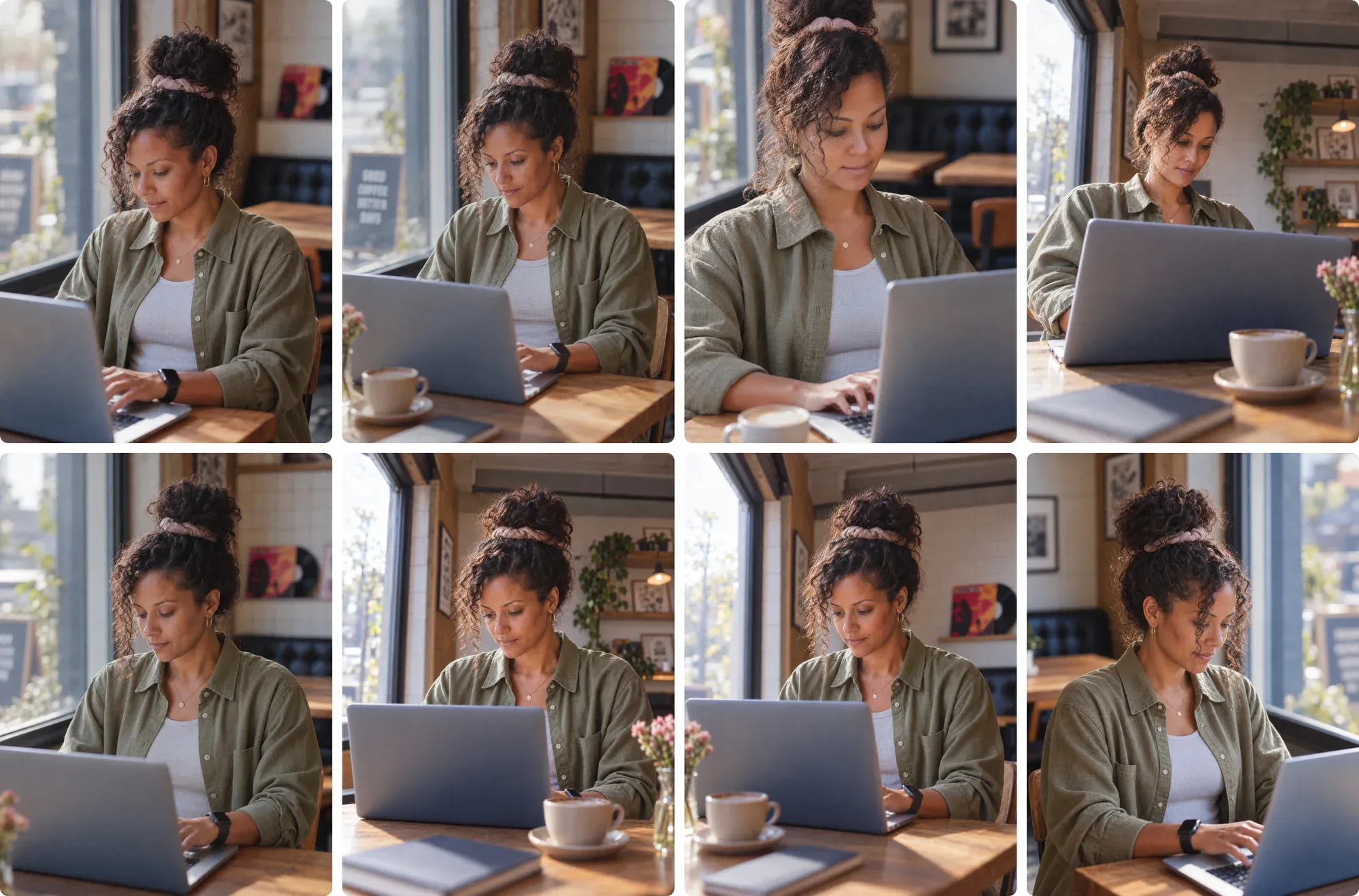
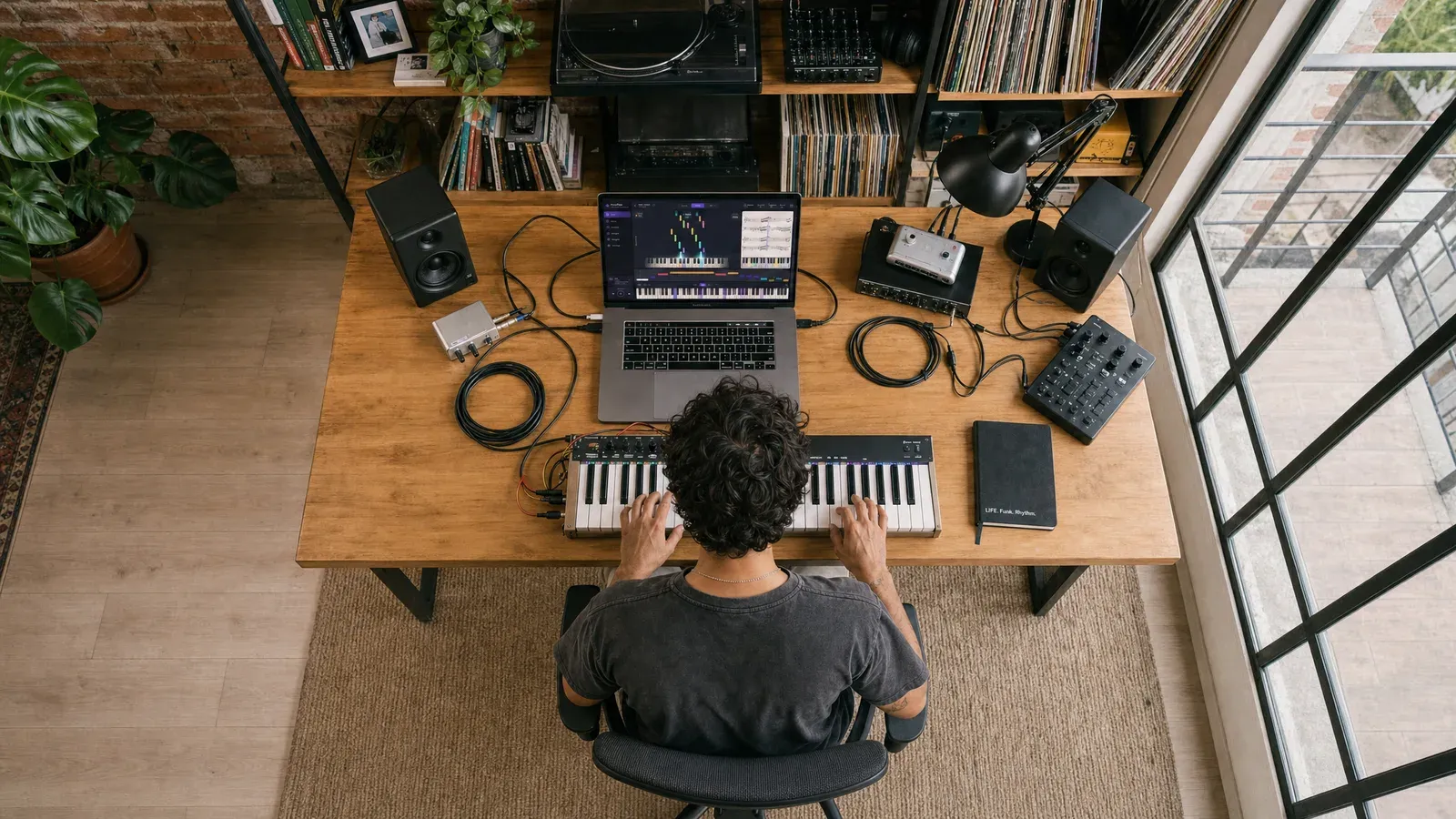
The brief was a film about what people build with Base44 when their own name is on the app. Each person got a world of their own: a woman whose app dresses her from her wardrobe, a pianist building a learning app with a leaderboard, a maker writing the controller for the robot arm on his desk, a woman in a cafe building a breathing app, and a delivery dashboard tracking a fleet.
Every one of them needed a face, clothes, a room and a camera angle before an animator could start. The studio settled all of that on Plnty boards first.
From the studio
On a board we could put a hundred versions of a character side by side and choose together, instead of arguing about the one each of us was imagining.
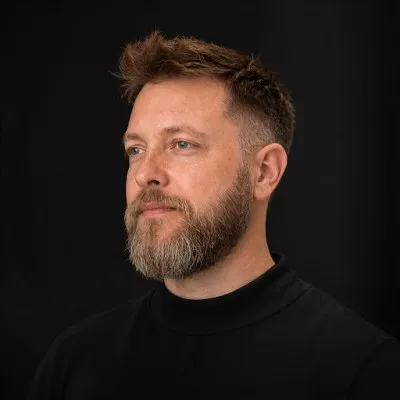 Shimi CohenCreative lead, Base44 Apps 2.0
02 / The film
The film, piece by piece
Seven moments of the film, each beside the run that made it, in the film’s order. The films here are Plnty’s, and each replays a moment from the boards on the tools as they look today, with the studio’s own pictures and words.

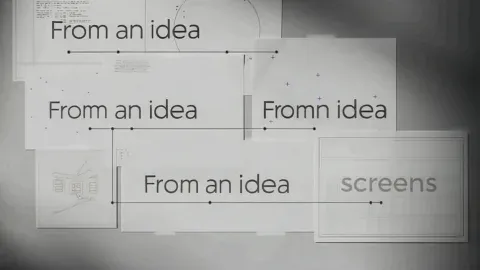 1 · The words
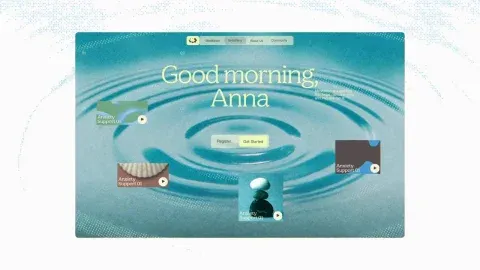 2 · The water
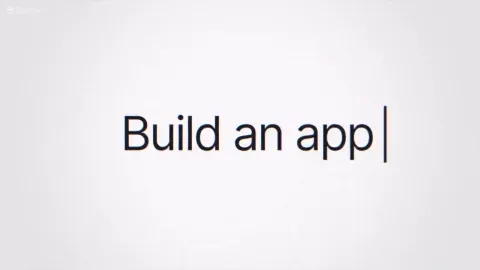 3 · The screen
 4 · The outfits
 5 · The piano
 6 · The arm
 7 · The cafe
Part 1 · The words
Changing the words inside a video
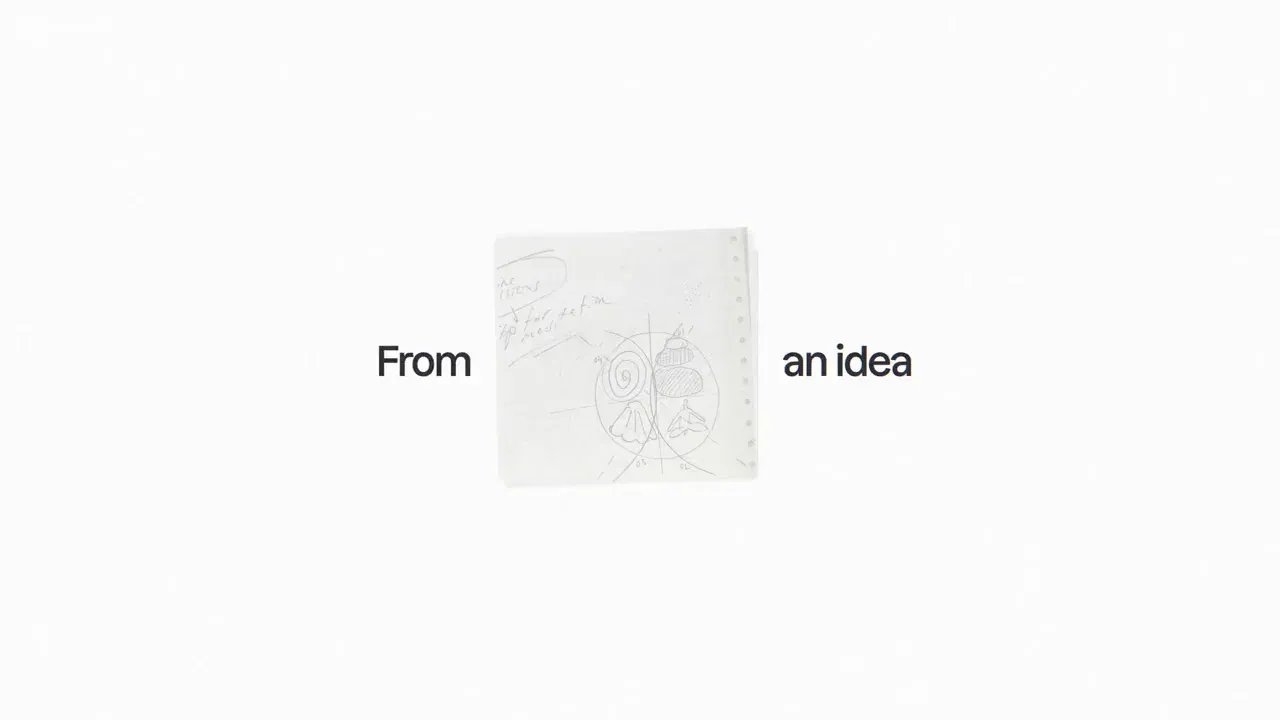
The film opens on paper pages full of typed words. The studio uploaded a clip of those pages, reading “in this world of moving interfaces and fragmented screens”, and changed the words inside the clip three times. First aleph-2 with “Change the text in on the pages to be “From an idea” on each row”, then the same words on Gemini Omni, then “remove the word “screens””. The clean title the film types over the pages was added in the edit.
Part 2 · The water
One shot, several looks
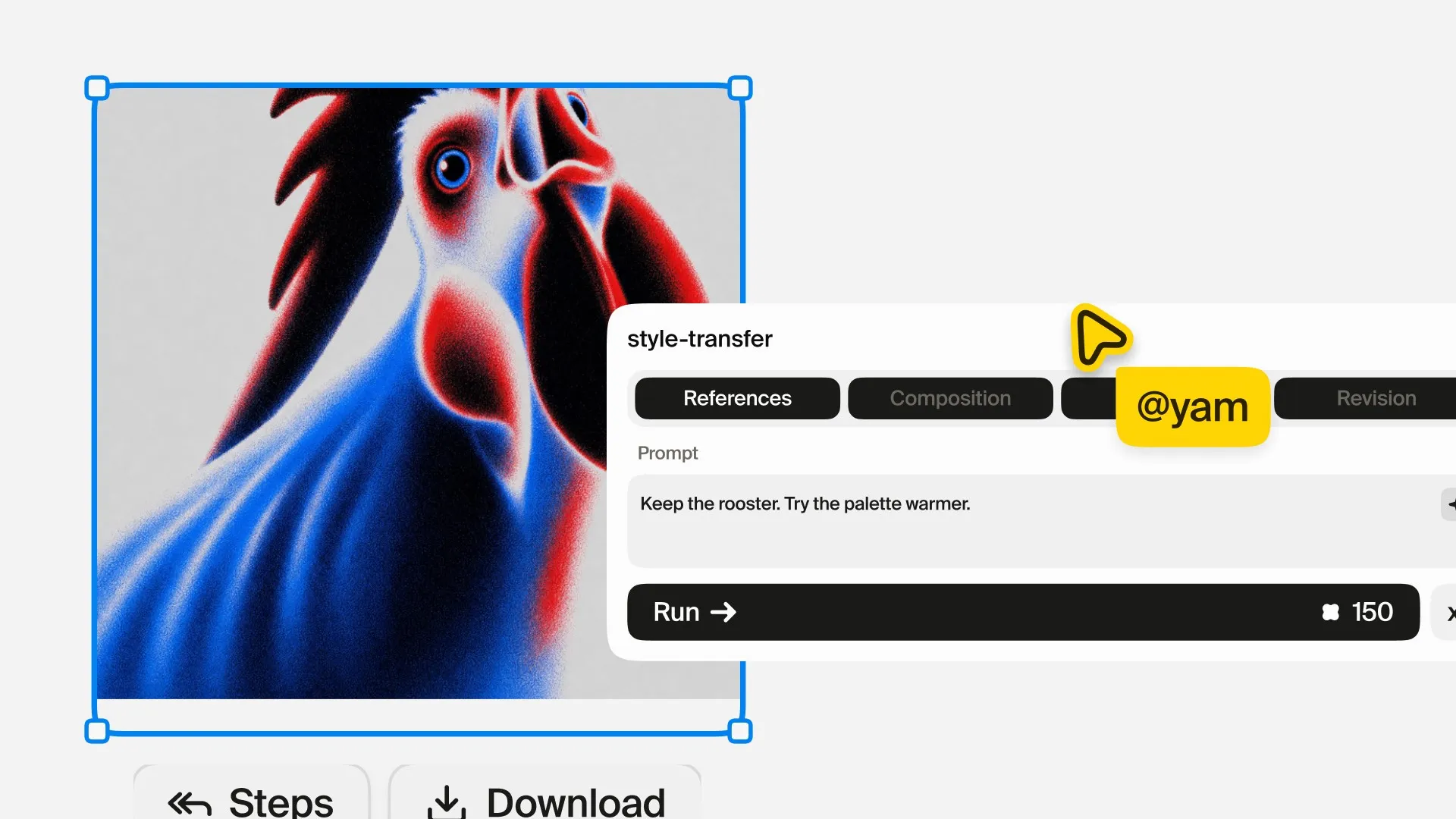
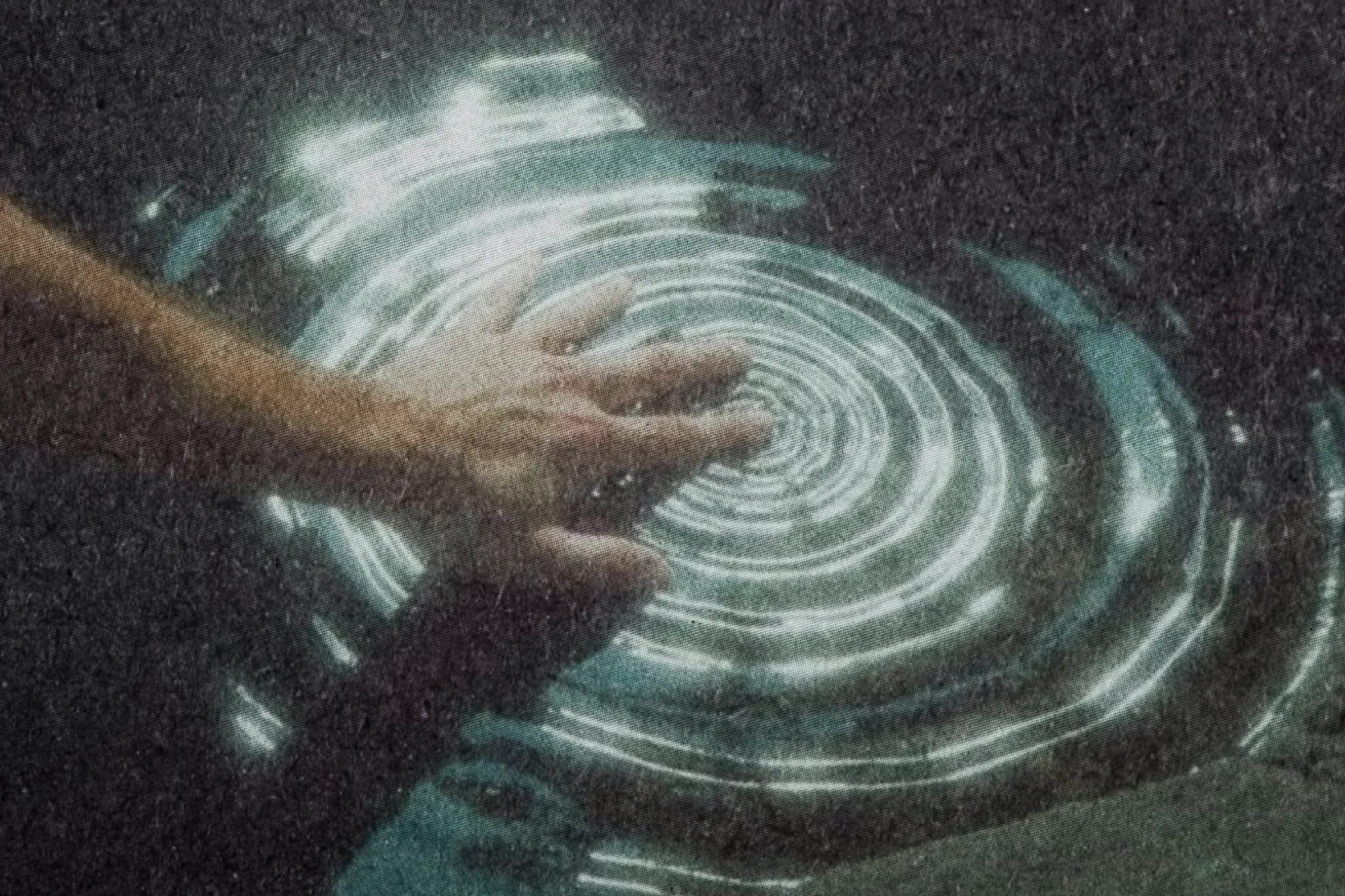
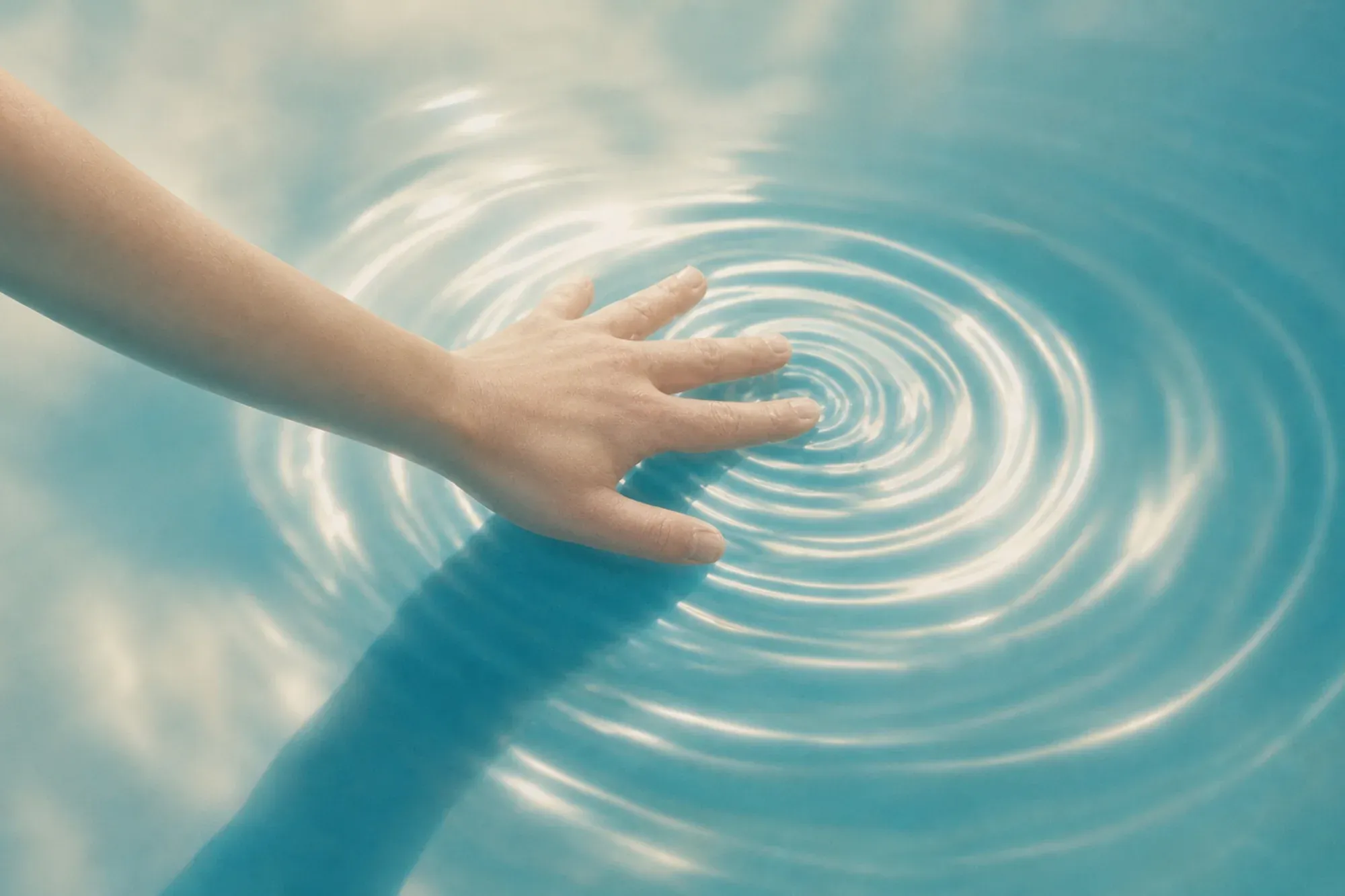
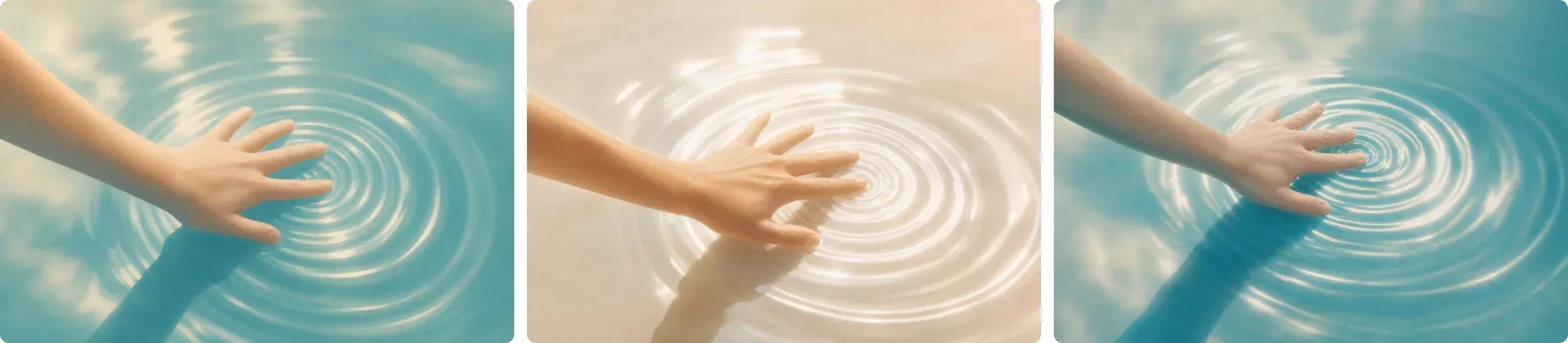
The film opens on water and moves into its interface through graphic textures, so the look of single shots was tested as carefully as the people. style-transfer took a dark picture of a hand touching a rock pool and gave it the light and color of another picture, keeping the hand, the ripples and the framing. A few passes gave the opening its options, from warm cream to open sky.
Part 3 · The screen
A screen texture from one sentence on three models
The studio gave edit-images one of its pictures and one sentence, “Add a very subtle pixel display effect across the image, as if seen in an extreme close-up of a screen…”, and ran it on three models side by side, GPT Image 2, Nano Banana 2 and Seedream. The film’s pixel grid is Nano Banana 2’s edit. Its thin cursor sits where the edit’s dotted one does, so the film cuts straight from the edit into the typing cursor that ends the opening run of objects.
Part 4 · The outfits
As many outfits as you want, from one prompt
The studio dressed its characters from their character sheets with one prompt: “Recreate the same character and the same character sheet, changing only the outfit to a {suggest 20 different hipster outfits}”. In Plnty those braces are a variable. Plnty writes the list and runs each line on its own, so one prompt brings the same person back in twenty outfits side by side on the board, or in as many as you want, up to 99 a press.
The fashion creator’s outfit swaps in the mirror were made with video-restyler, and the clothes that walk off her phone with first-last-frame, the flat clothes as the first frame and her shot as the last.
Part 5 · The piano
One piano sweep on ten video models
The pianist was cast twice. Seen from the side, the first one read too close to another character, so he was recast with a beard, glasses and a red work jacket, and that is the man who plays in the film. For his sweep along the keys the studio gave video-gen one start frame and one sentence and ran it on ten models, then kept Seedance 2.5 and tightened the sentence over twenty-four takes. Takes like these made the offline cut the animators worked from; the film’s close-up of the hand is a later shot.
Part 6 · The arm
A robot arm from sketch to shot, in scene-builder
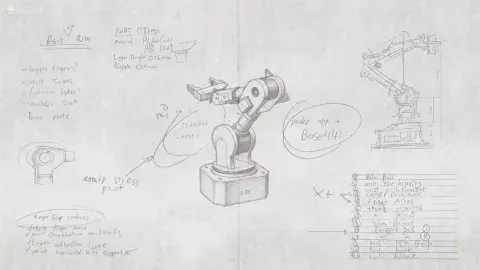
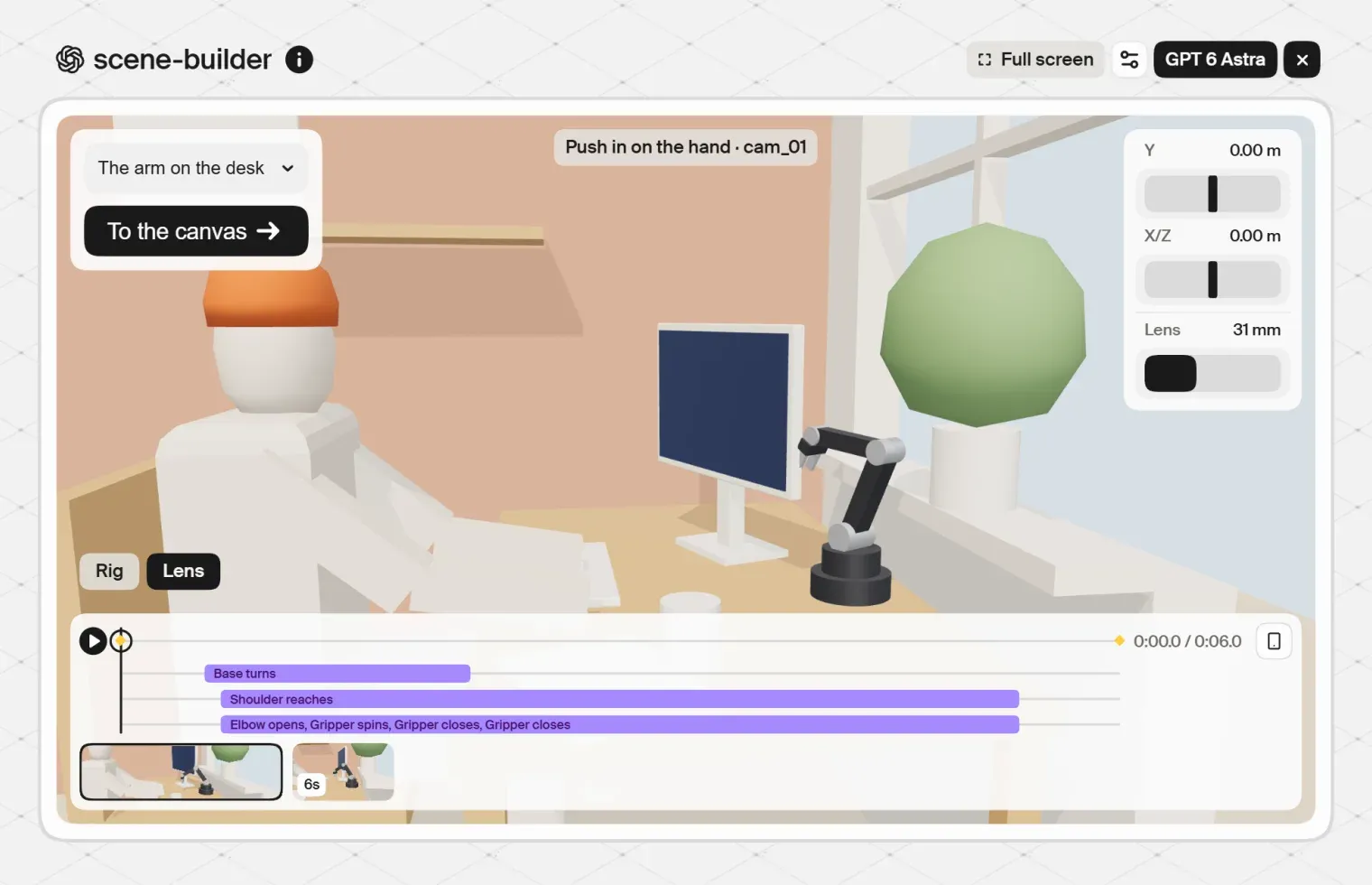
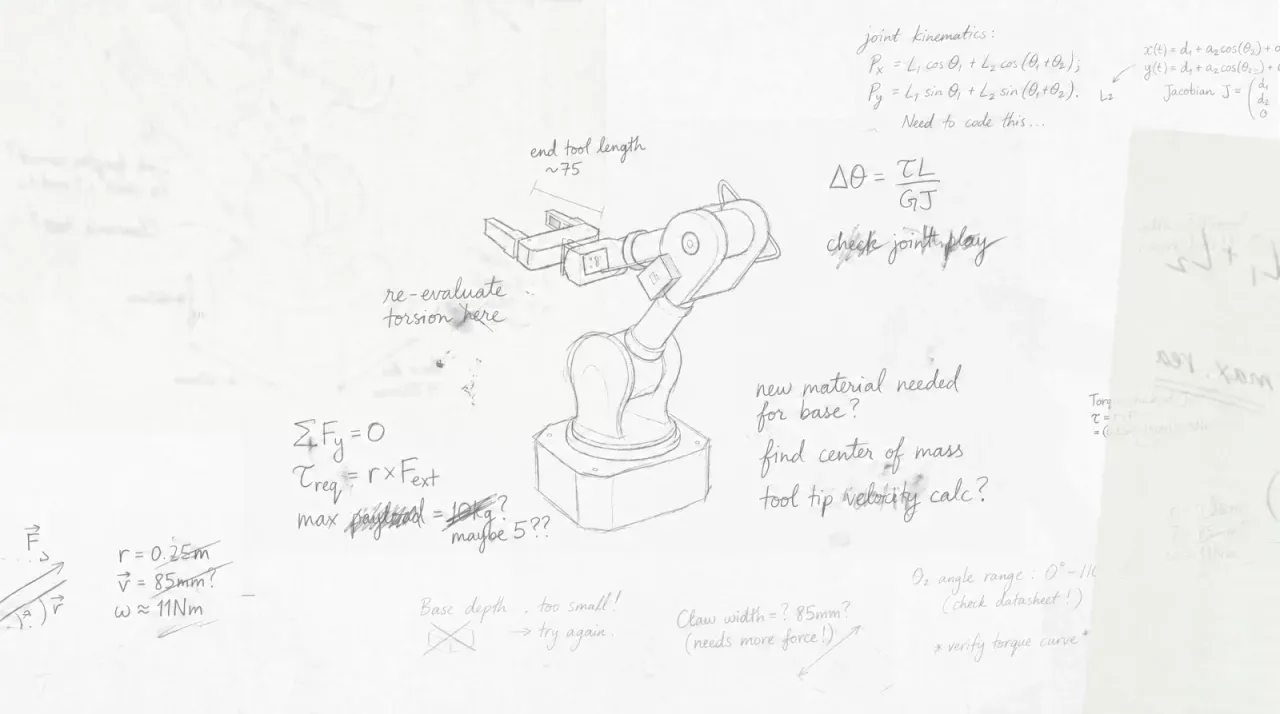
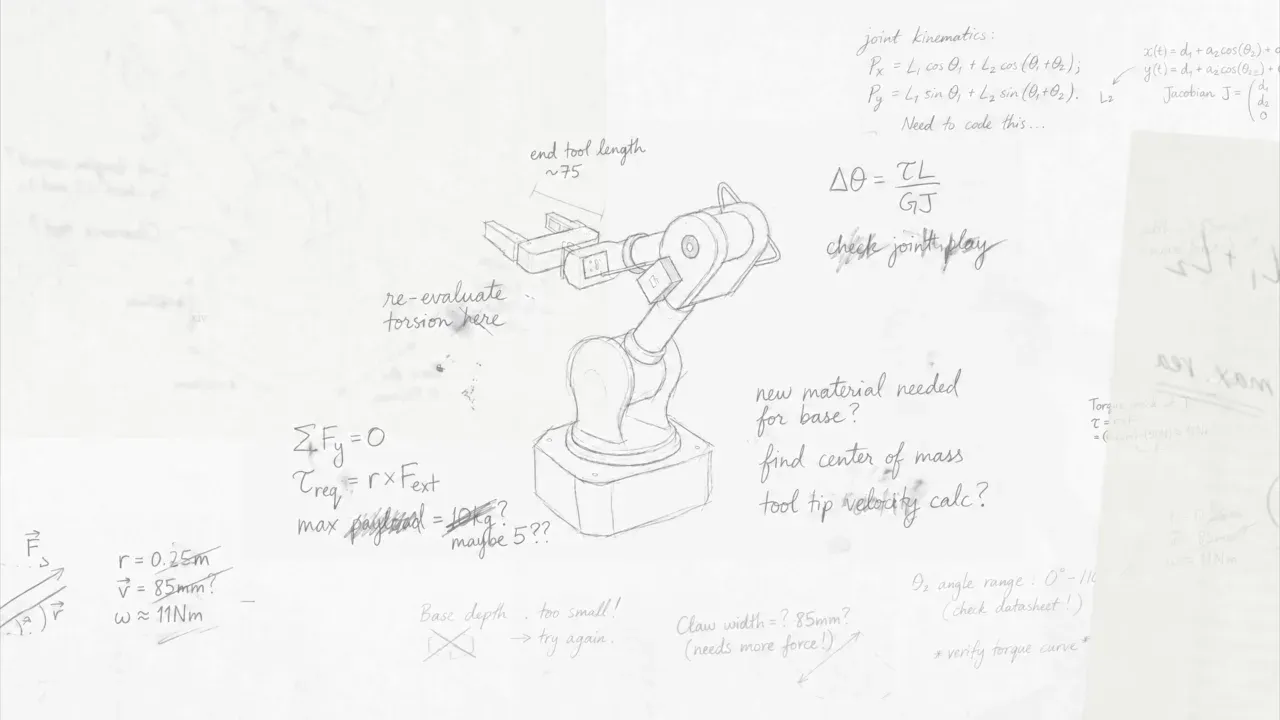
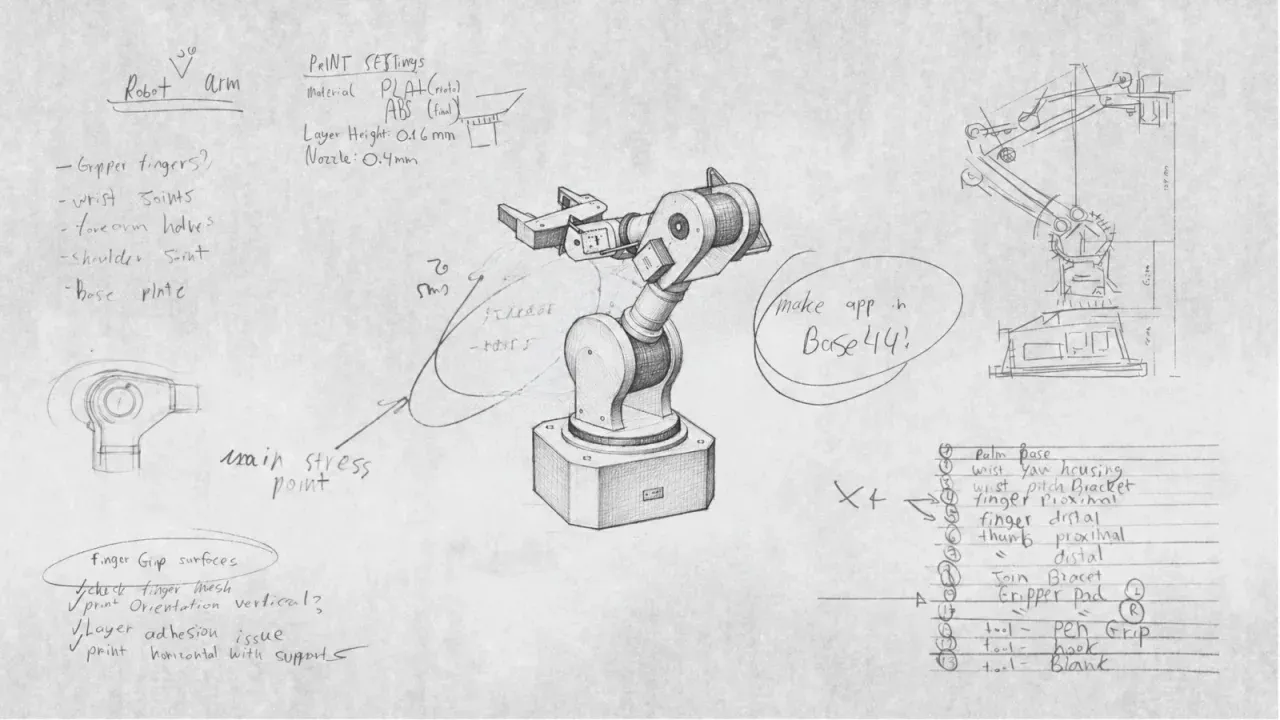
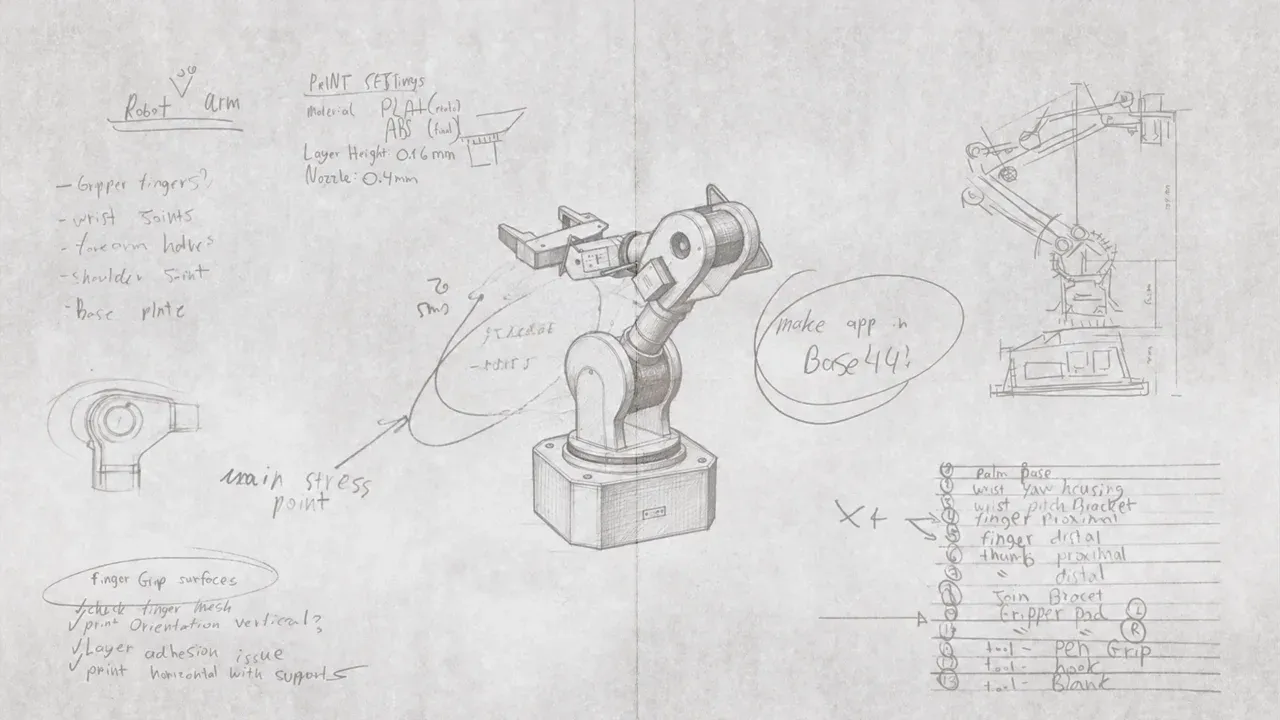
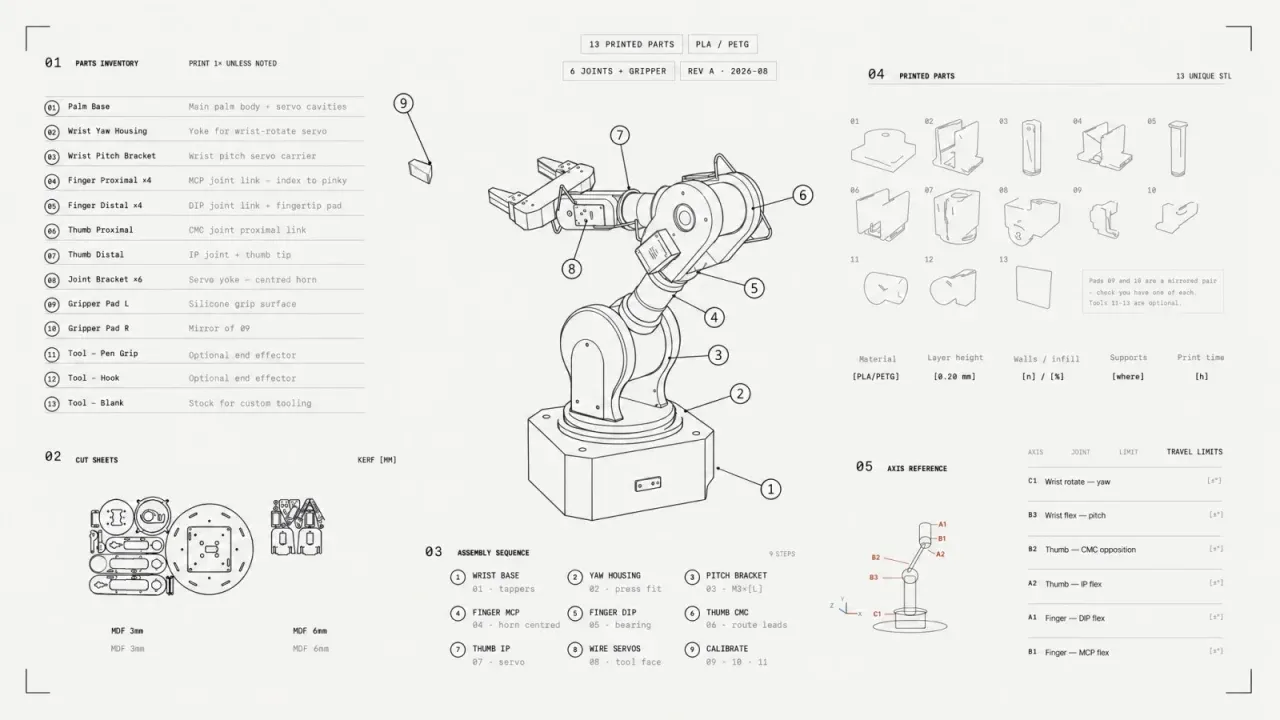
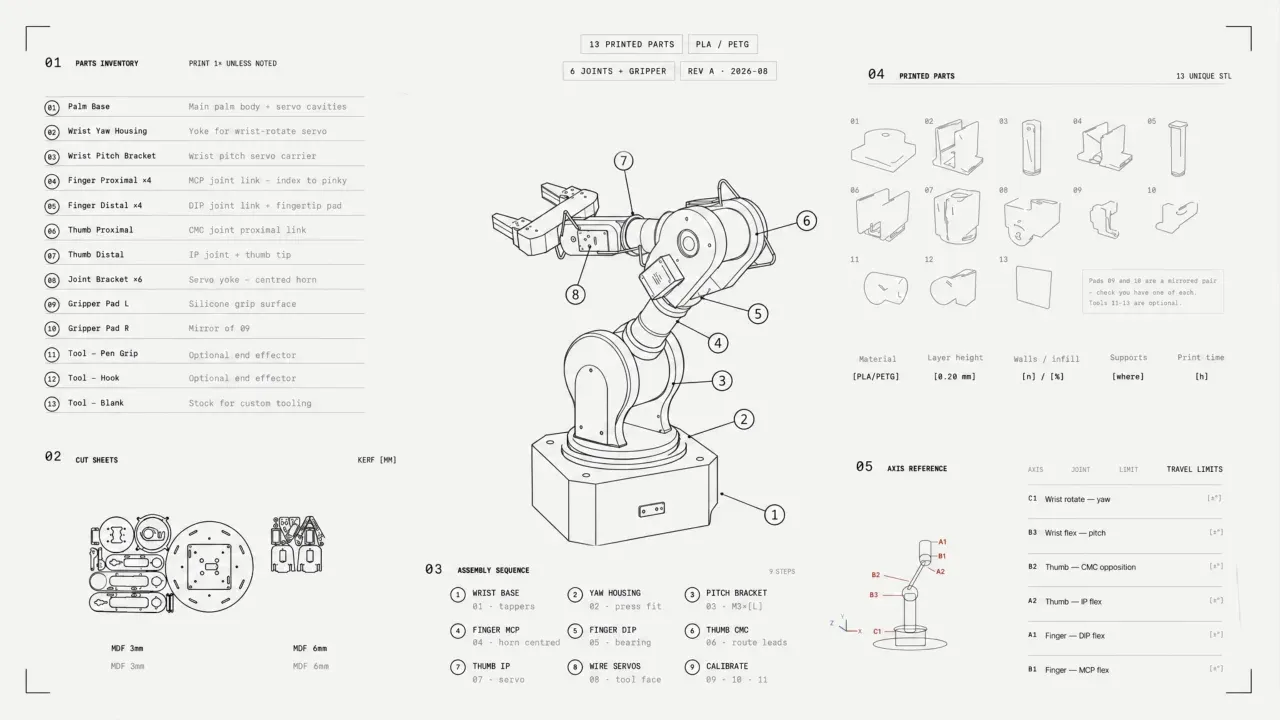
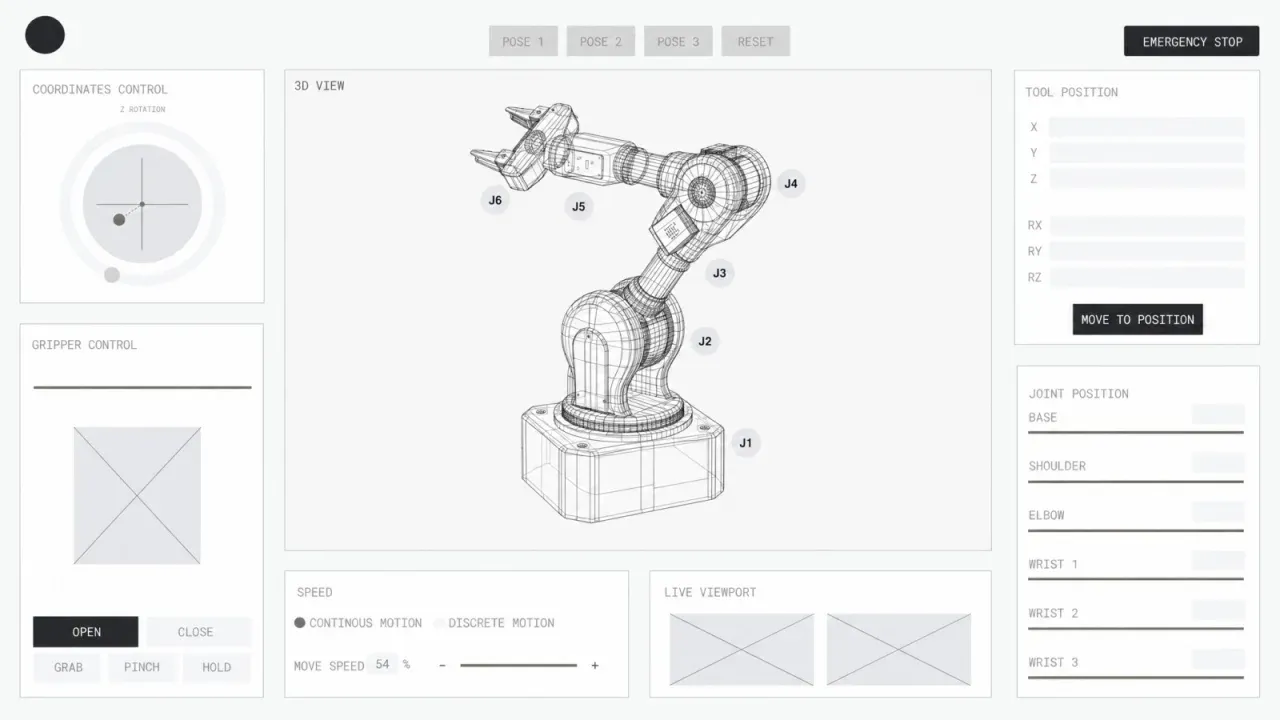
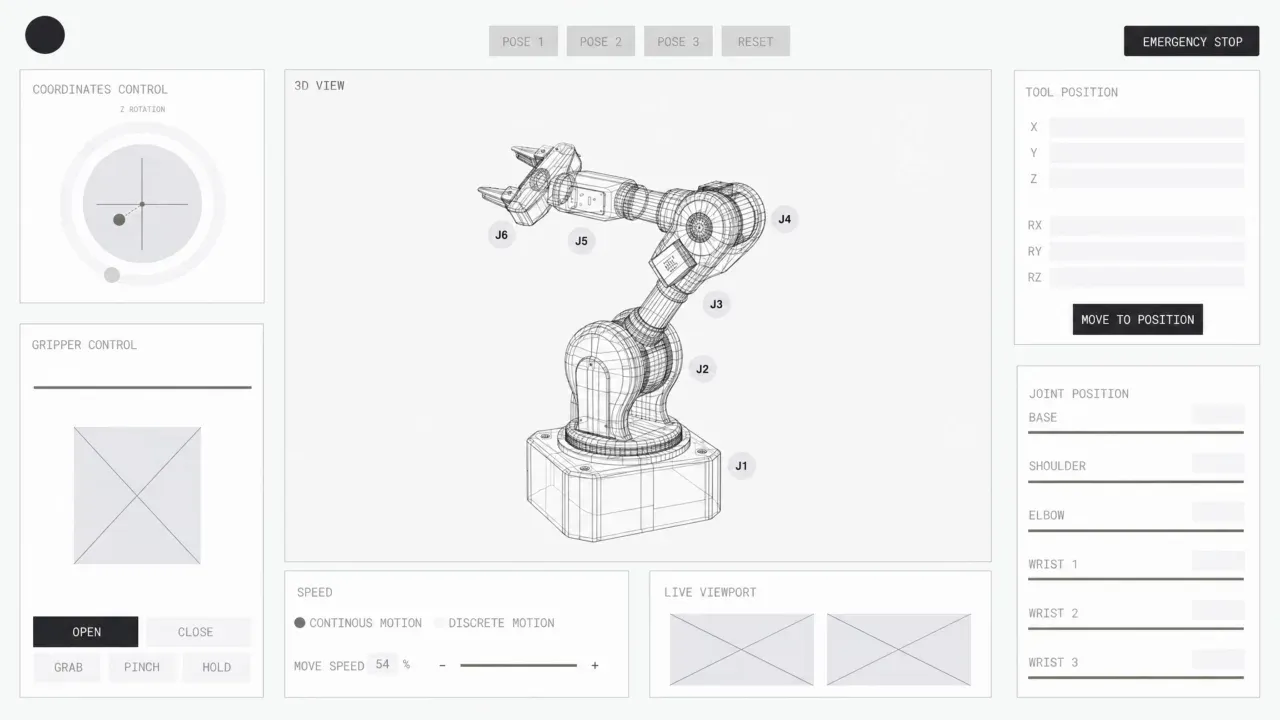
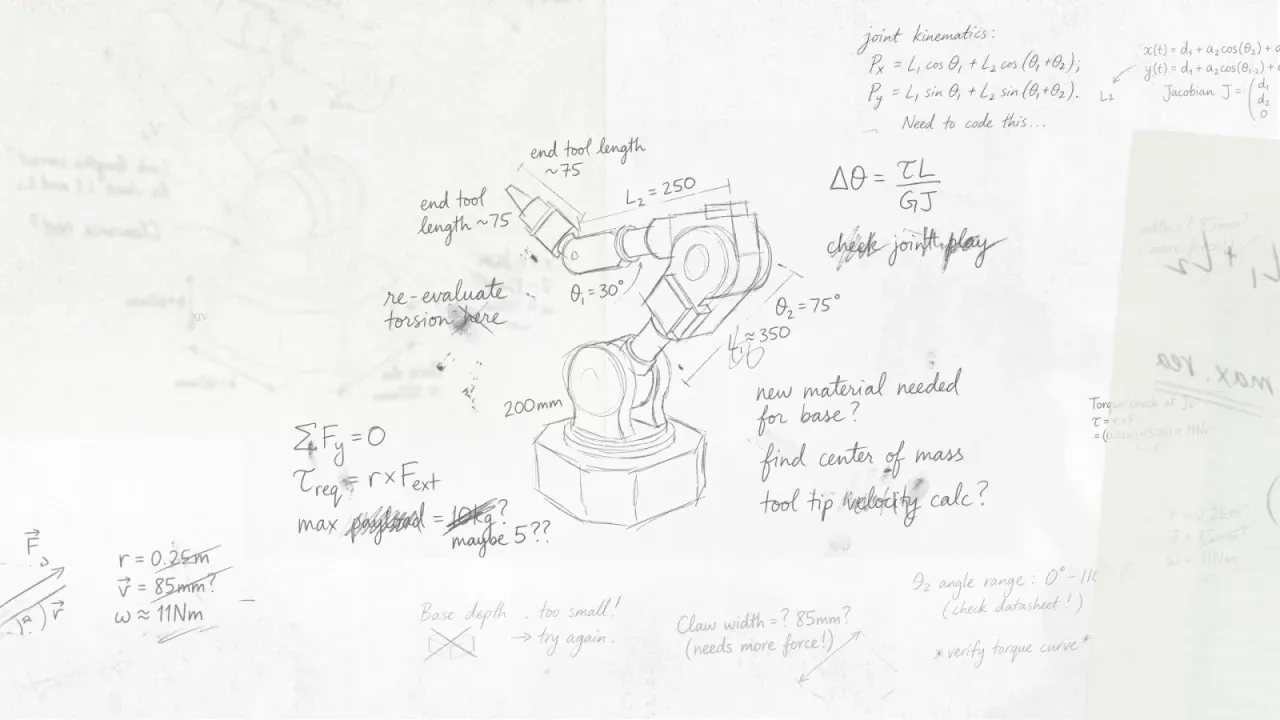
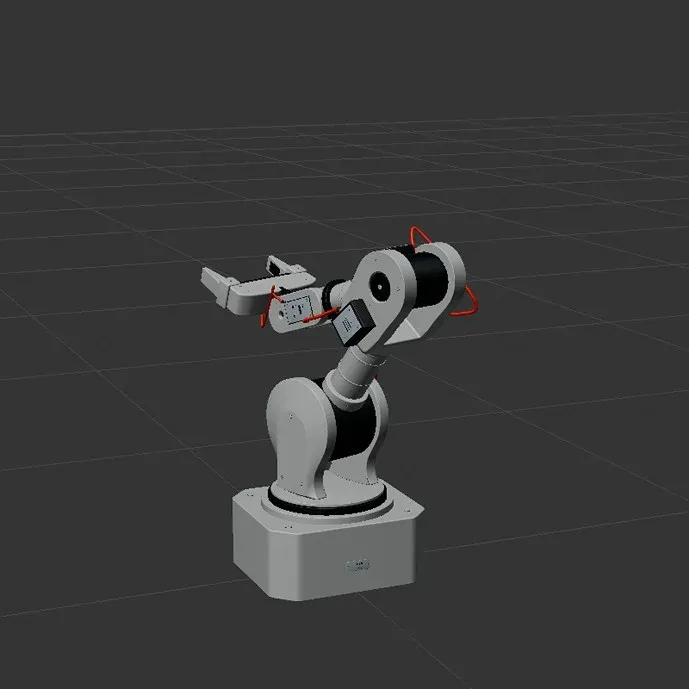
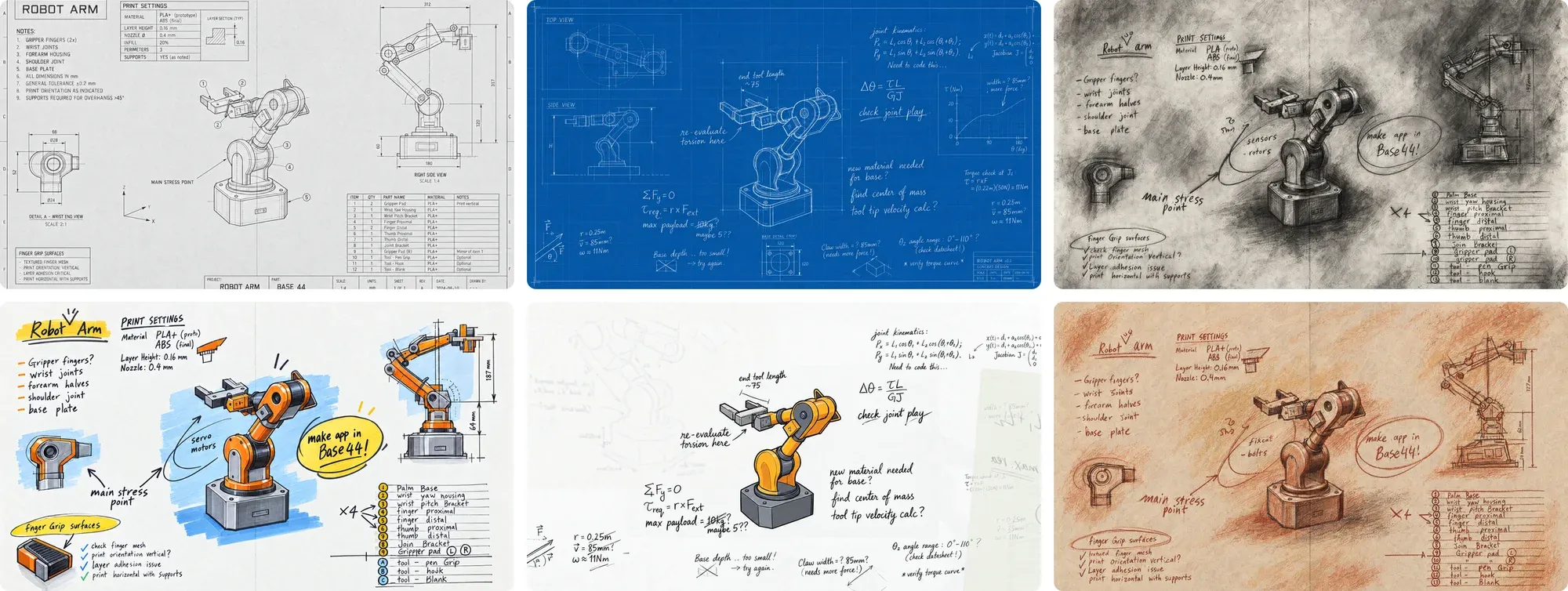
The maker’s scene starts on a drawing of his arm and ends with the arm moving on his desk. edit-images drew the sketch in several hands, from a technical drawing and a blueprint to charcoal and marker, until the line matched the film’s pencil pages. The studio posed the arm once, in the maker’s 3D view, and redrew each drawing to that pose, starting with “Redraw the robotic arm sketch in Image 1 to match the exact pose and proportions of the robotic arm in Image 2…”. The sketch in the film is that redraw.
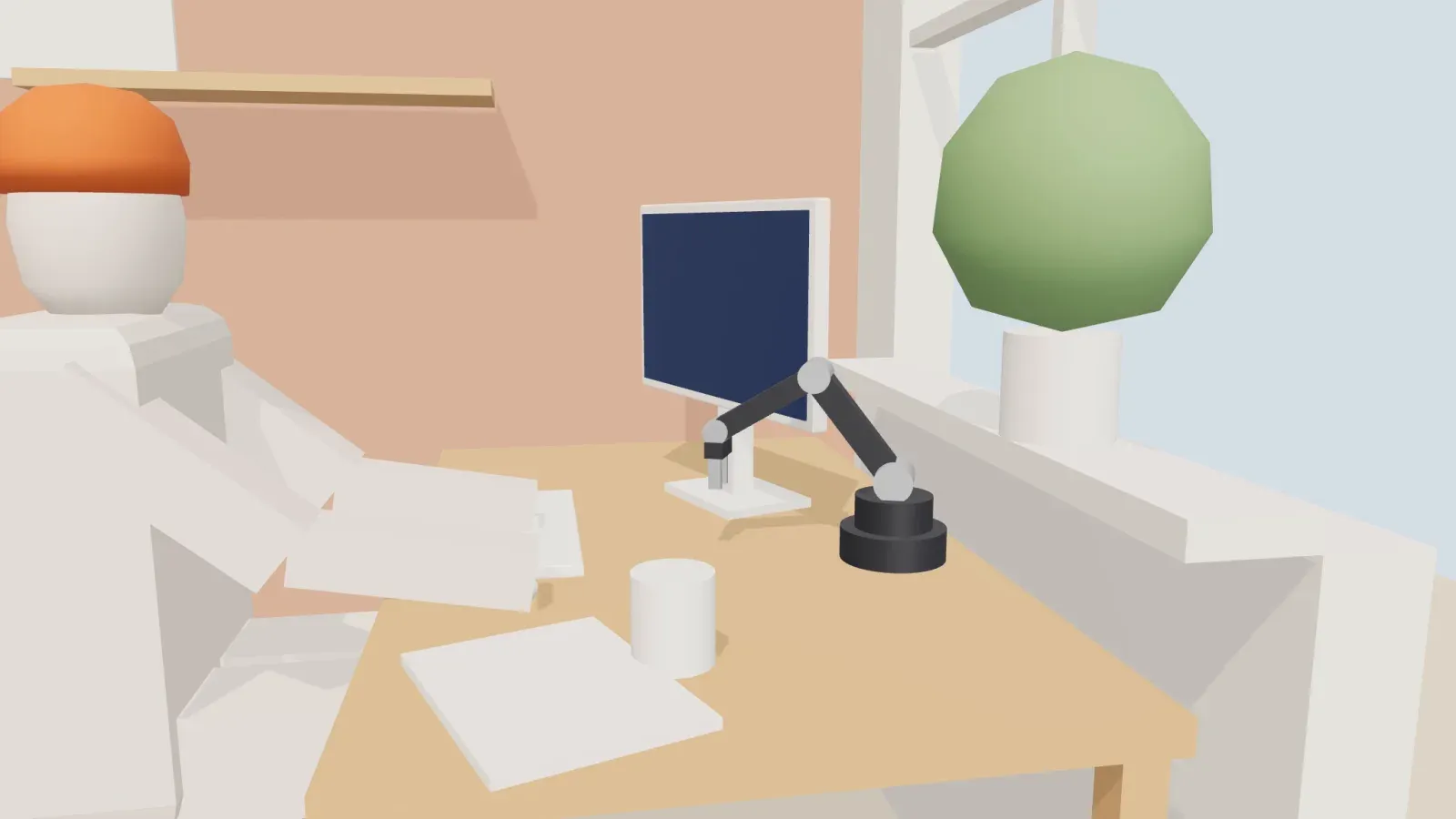
The moving shot is where scene-builder comes in. It holds the desk as a 3D set, with the arm posed in it and a camera move on its timeline, and To the canvas puts that move on the board as a clay clip. video-restyler then paints the clip in the film’s look, with one of the studio’s own stills as its style picture. We rebuilt the shot this way for this post; the studio’s desk shot was made outside the boards.
Part 7 · The cafe
Camera angles with change-angle
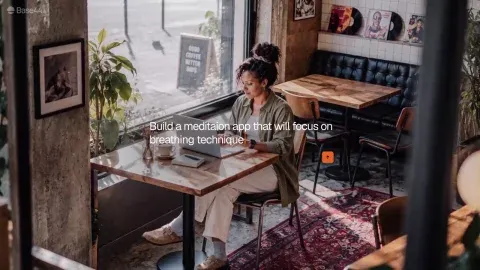
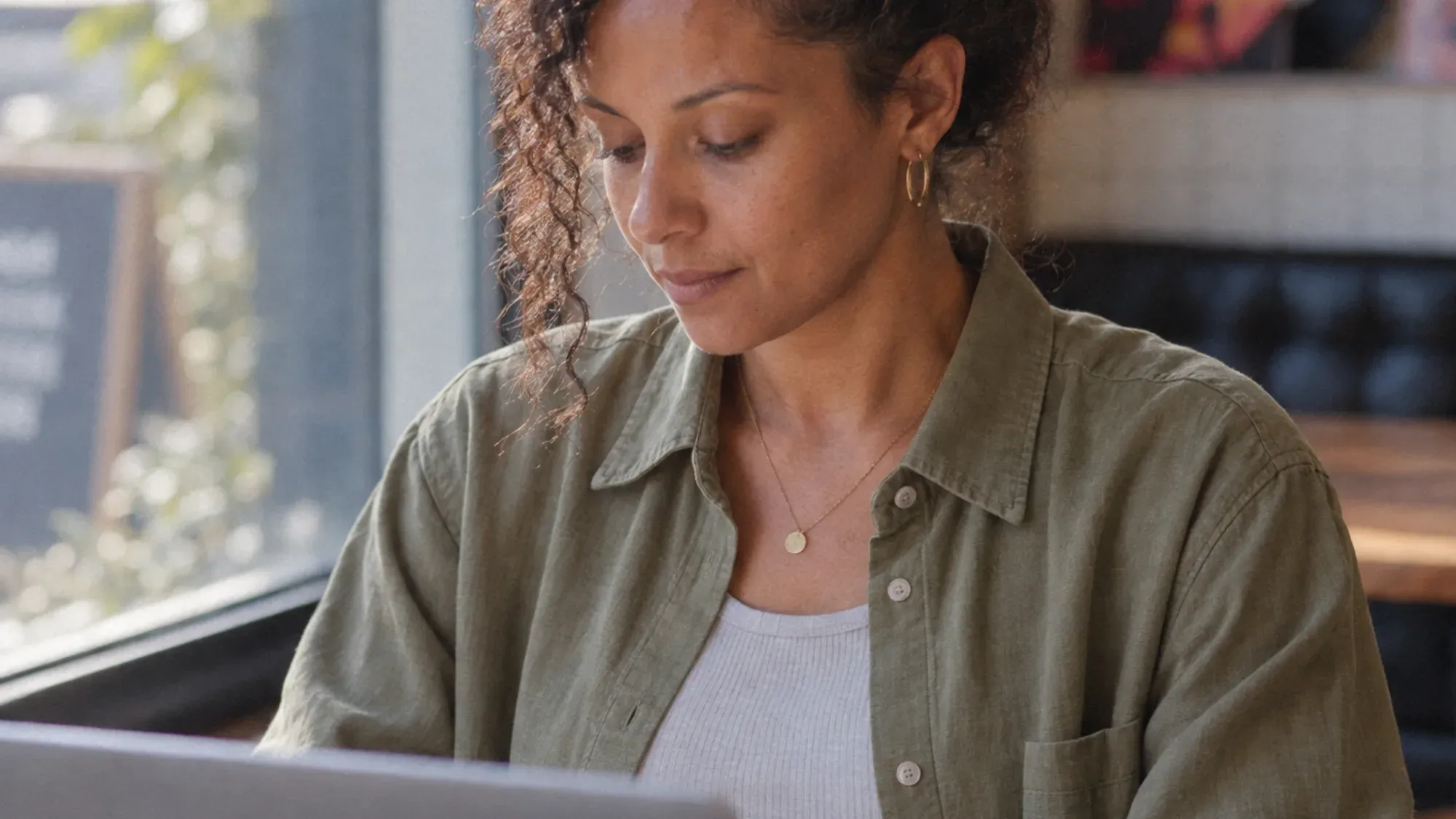
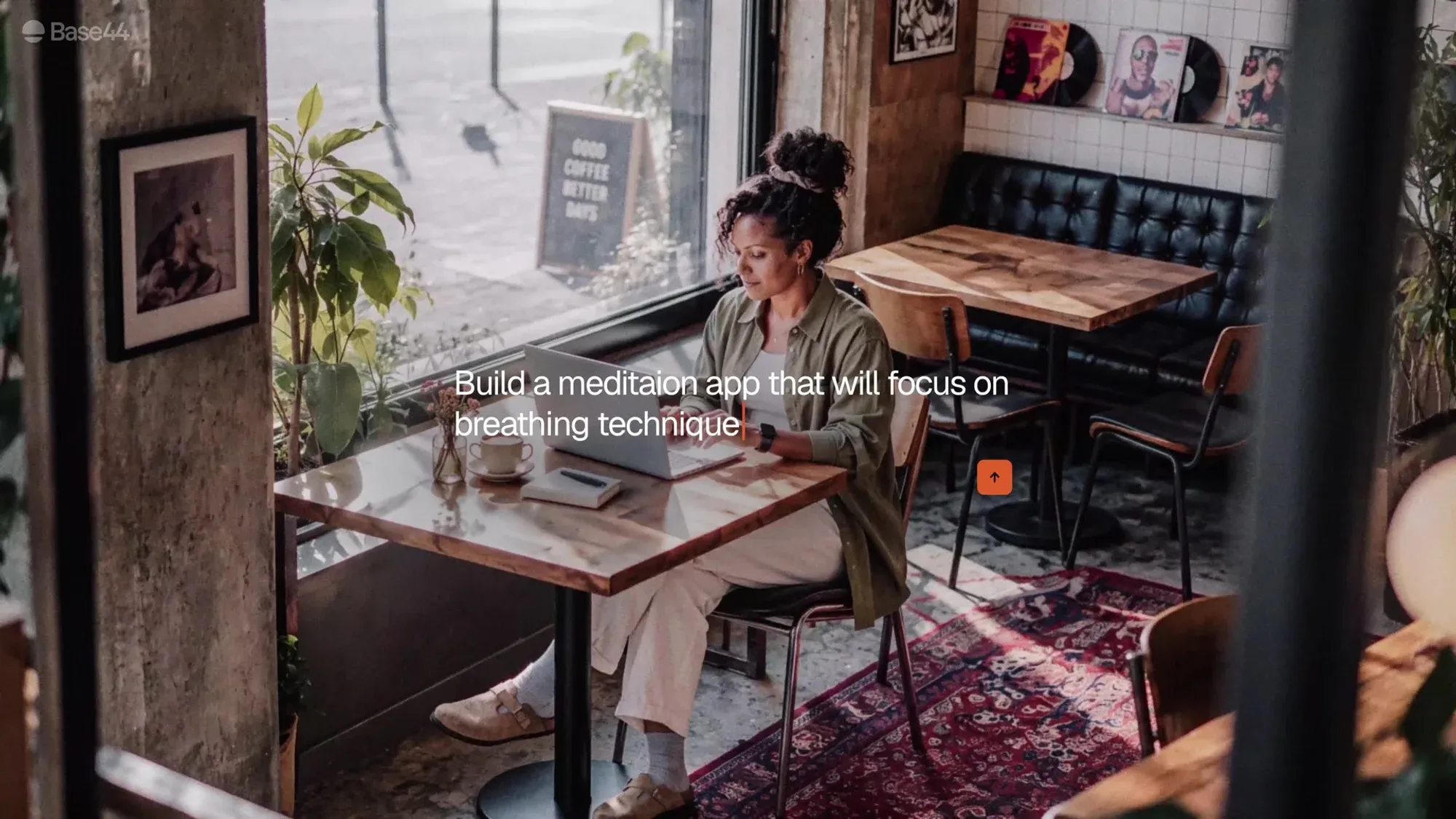
Every character got a room: a cafe by a tram stop, a studio with a keyboard under the window, a workshop with the arm on the desk. Once a room worked, the studio moved the camera instead of making the picture again. change-angle builds a 3D gaussian from one picture, lets you orbit to the angle you want and repaints that view, so the room, the light and the person stay while the camera moves.
The cafe was shot this way from every side of the table, and the frame the film uses comes straight out of that search.
Overhead 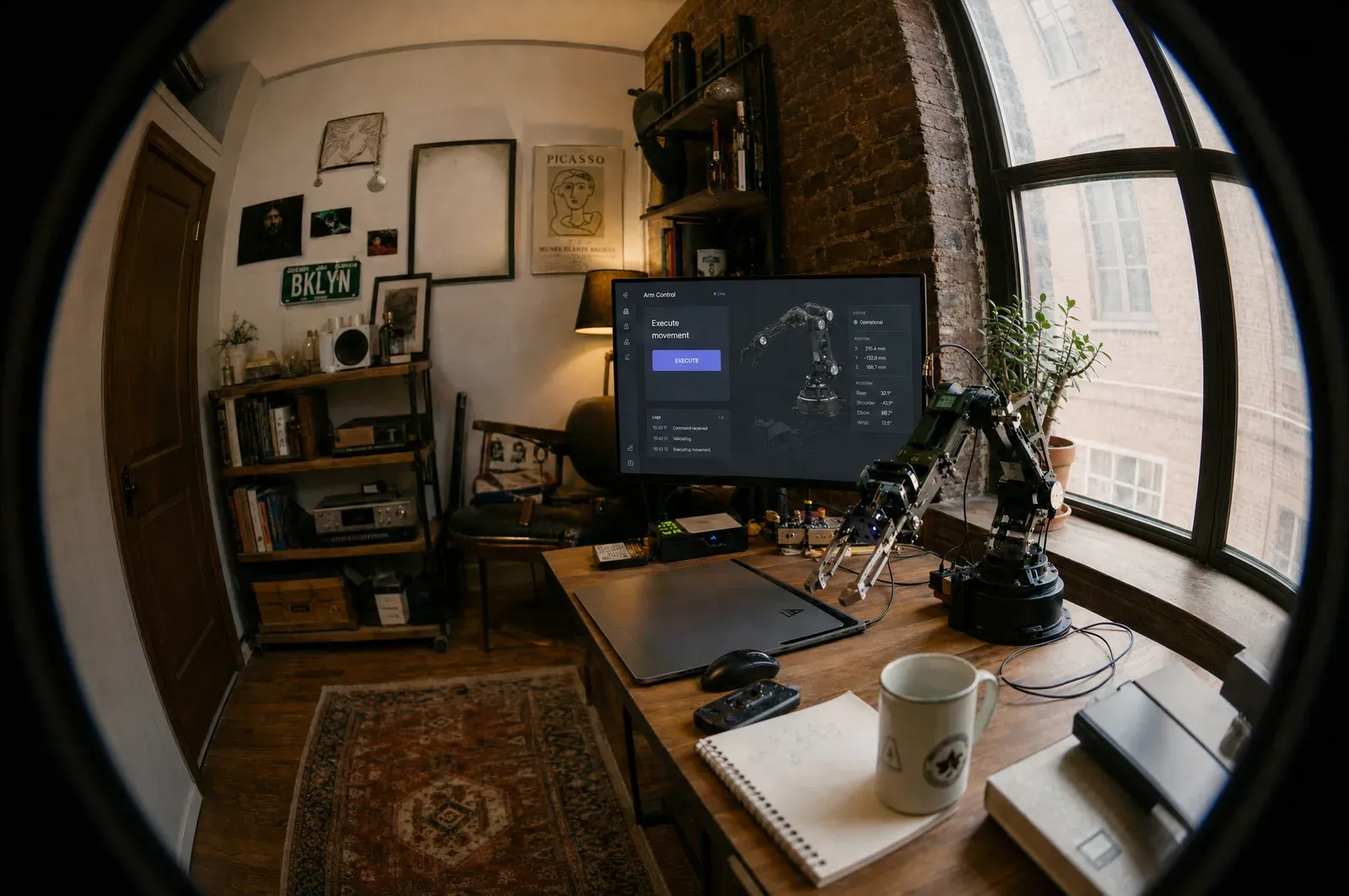
Fisheye 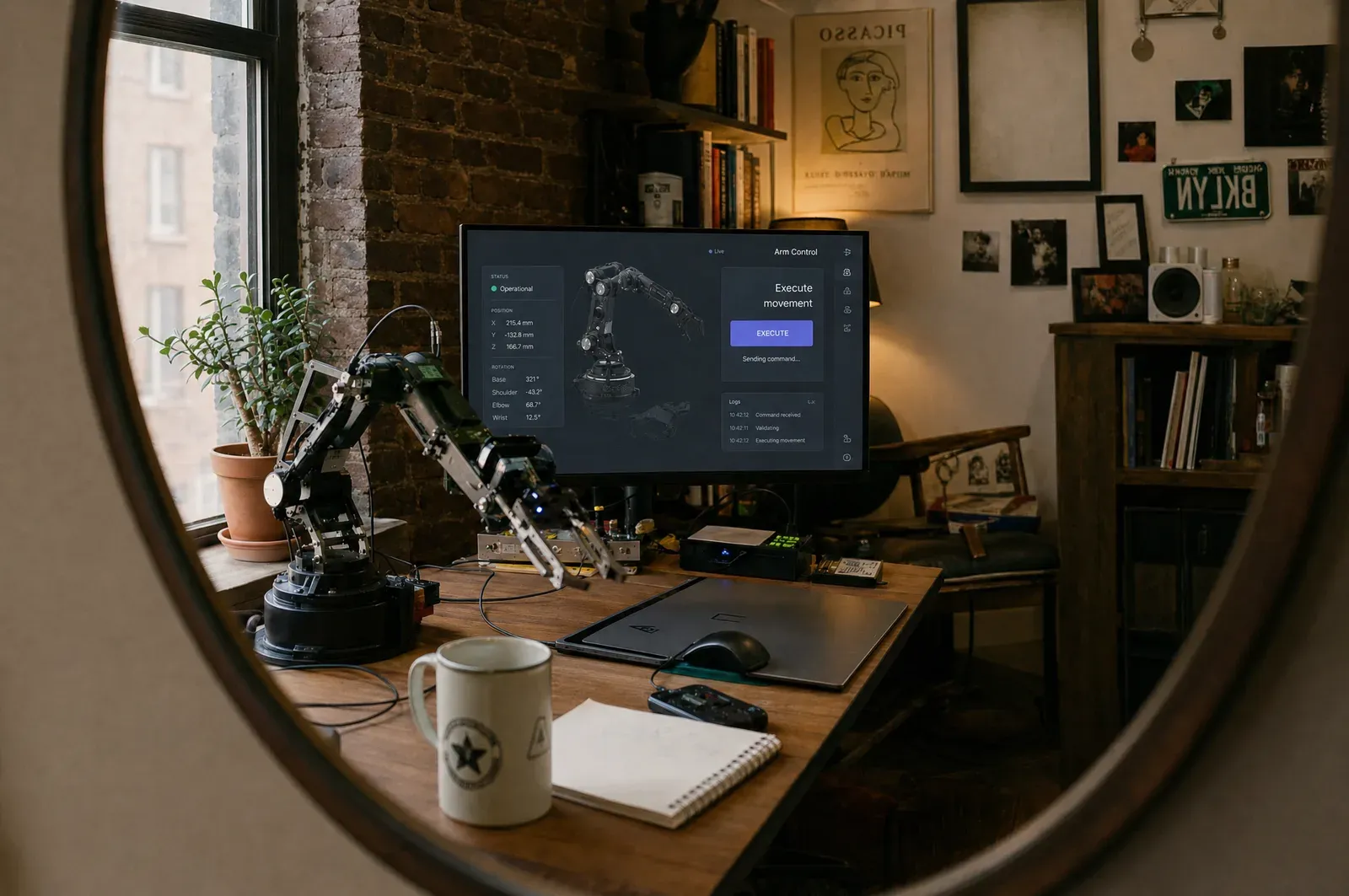
In a mirror 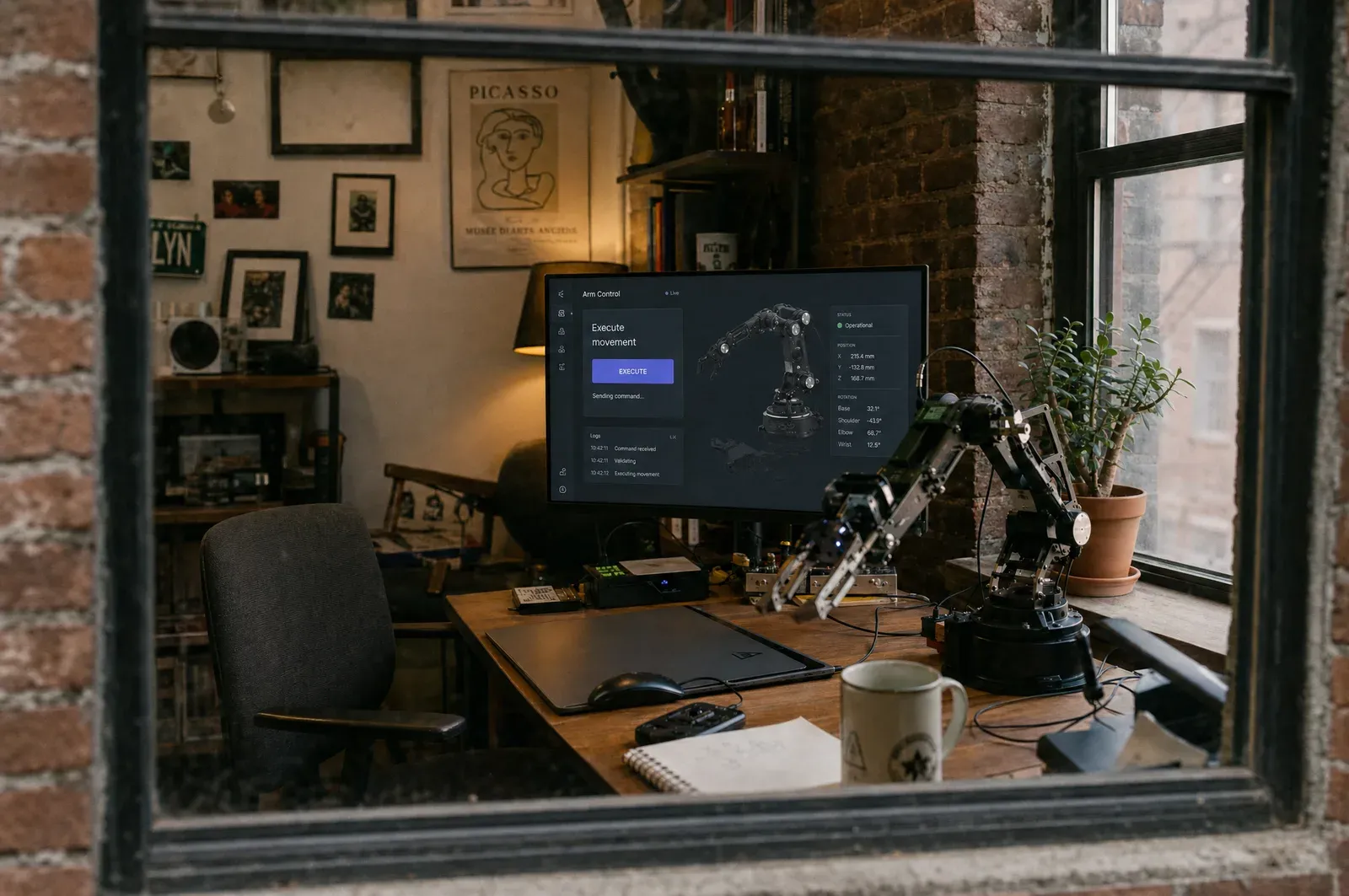
Through the window
Expert view
Plnty was where the film got decided. The characters, their rooms, the angles and the transitions all lived on boards the whole team could open, so by the time the animators started, the hard choices were already made.
Shimi CohenCreative lead, Base44 Apps 2.0What was Plnty used for on the Apps 2.0 film?
Pre-production and previz. The studio cast the characters, dressed them, found each camera angle, tested the look of single shots and made an offline cut of the whole film in Plnty, then finished the final shots from it.
How do you keep an AI character consistent across shots?
Fix the character as a sheet first, the same person from the front, the side and the back on a plain ground, and make every later picture against that sheet. The Apps 2.0 boards hold a sheet for each character, and the outfits were made from them.
How do you dress one character in twenty outfits?
Give edit-images the character sheet and one prompt with a variable in braces, such as {suggest 20 different hipster outfits}. Plnty writes the list and runs each line on its own, so the outfits land side by side on the board, all on the same person.
Outcome
What the process achieved
Apps 2.0 launched with Base44’s release. Its characters, rooms, outfits and transitions were settled on the Plnty boards first, and the offline cut made there was what the designers and animators worked from.
What required manual work
The final shots were finished by the studio’s designers and animators, and the film was edited and graded after the boards.
What remained unresolved
Some of the film is not on the boards at all: the reveal in the opening, the close-up of the pianist’s hand and the desk shot after the drawings. The title typed over the opening pages is the editor’s.
Sources and methodology
Every picture and clip here is a real result from the seven boards Shimi Cohen’s studio used for Apps 2.0, read from each run’s own record (its tool, its model, the words typed and the picture it was made from), or a frame of the film itself. Plnty’s films of four moments replay those runs on the tools as they look today. The scene-builder card, the clay move and video-restyler’s painted shot are Plnty’s rebuild of the desk shot, made for this post. The counts are the finished results by the studio’s accounts on the seven boards, a Plnty staff account’s left out. The story also draws on a conversation with Shimi Cohen.
About the author

Make your next film in Plnty
Cast it, dress it and find every shot on a board your whole team can open, before the final shots are made.